



When do puppies lose their teeth and what’s actually normal during that teething whirlwind? If you’ve just found a tiny white tooth in the carpet or noticed a bit of blood on your puppy’s toy, you’re not alone—and in most cases, it’s a healthy part of growing up.
Welcoming a puppy into your home means you’re not just tackling potty training and basic commands; you’re also guiding them through a complete change from 28 sharp baby teeth to 42 adult teeth in just a few months. Understanding the puppy teething timeline helps you protect your belongings, soothe sore gums, and spot red flags that really do need a vet visit.
Beginner’s Guide: Quick Answers About When Do Puppies Lose Their Teeth
If you’re a first-time dog parent, start here. This short beginner section gives you the key facts before we dive deeper.
- When do puppies lose their baby teeth?
Most puppies start losing baby teeth around 12–16 weeks of age, when adult teeth begin to push through. - When do puppies stop teething?
Teething usually ends around 6–7 months, when all adult teeth are in; some pups finish closer to 8 months.yourpetandyou. - How many teeth do puppies and adult dogs have?
Puppies have 28 deciduous (baby) teeth; adult dogs have 42 permanent teeth. - Is it normal to see a little blood when puppy teeth fall out?
Yes, light bleeding on toys or bedding is common during teething, as long as it’s mild and stops quickly. - Should I worry if I never find puppy teeth?
No—many puppies simply swallow their baby teeth while eating or playing, and this is harmless.
When Do Puppies Lose Their Baby Teeth? (Core Timeline)
Veterinary and pet-health sources agree on a fairly consistent window for when puppies lose their teeth.
- Around 12–16 weeks (3–4 months), baby teeth start to loosen and fall out as permanent teeth erupt.
- The heaviest teething typically occurs between 4 and 6 months, when incisors, canines, and premolars are being replaced and the first molars come in.
- By 6–7 months, most dogs have a full set of 42 adult teeth and should no longer have any baby teeth.aphis.
So in daily life, you’ll usually see chewing, tooth loss, and mild gum discomfort starting around 3 months and fading out by 6–7 months.
Puppy Teething Age Chart: From Toothless to 42 Adult Teeth
To really understand when puppies lose their teeth, it helps to look at the entire journey from birth to adulthood.
| Puppy Age (approx.) | Puppy Teeth Stage | What to Expect |
|---|---|---|
| Birth–2 weeks | No visible teeth | Newborn puppies are toothless and rely entirely on their mother’s milk. |
| 2–4 weeks | Baby teeth erupt | Tiny incisors and then canines start to appear through the gums. |
| 5–8 weeks | Full set of puppy teeth | Around 28 sharp baby teeth are usually in place (no molars yet). |
| 8–12 weeks | Stable baby dentition | Lots of playful nipping and chewing, but all teeth are still baby teeth. |
| 12–16 weeks | Baby teeth start to fall out | First obvious tooth loss; you may find tiny teeth or see gaps at the front of the mouth. |
| 4–6 months | Heavy teething phase | Strong urge to chew, many loose or missing teeth, adult premolars and first molars erupting. |
| 6–7 months | Adult teeth complete in most pups | Around 42 adult teeth are usually present; teething should be finishing. |
| 8+ months | Post‑teething | Any remaining baby tooth is considered abnormal and should be checked by a vet. |


Are Puppies Born With Teeth?
No—puppies are not born with teeth. They arrive toothless, and their first baby teeth begin to erupt around 2–4 weeks of age. Those early teeth appear while they are still with their mother or breeder, which is why many owners never see that first eruption phase.
By about 6–8 weeks, most puppies have a complete set of 28 baby teeth, including incisors, canines, and premolars but no molars.
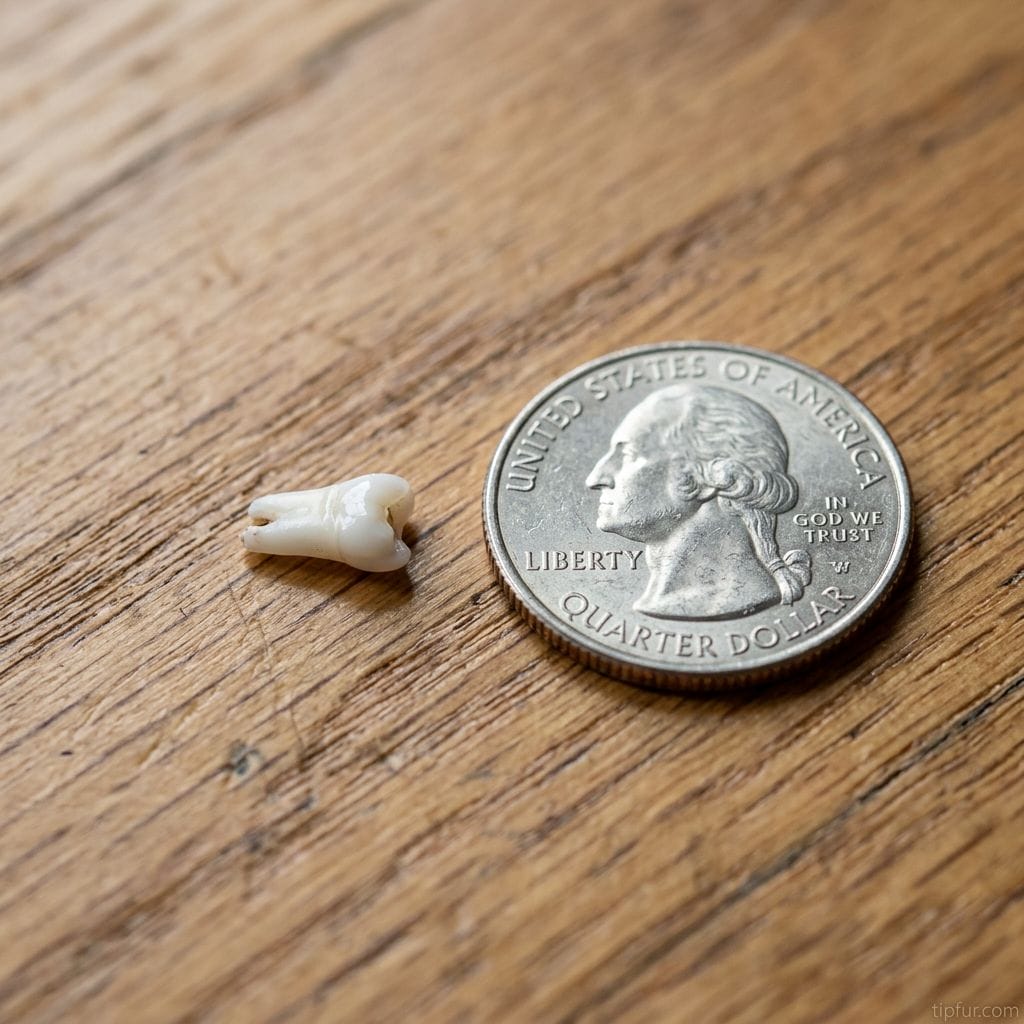
What Do Puppy Teeth Look Like When They Fall Out?
When you’re tracking when puppies lose their teeth, it helps to recognize a fallen baby tooth when you see one.
Typical features:
- Size and shape: Very small, hard, pointed teeth, often compared to tiny shark teeth or a grain of rice.
- Color: Usually bright white, unless they’re stained by a bit of blood or dirt.
- Where you’ll find them: Commonly in dog beds, on rugs near chew spots, or stuck in soft toys.
Many owners never see any teeth at all, because puppies often swallow them while playing or eating, which is considered safe.

Do Dogs Lose Baby Teeth (Milk Teeth) Like Humans?
Yes. Dogs are diphyodont, meaning they have two sets of teeth over their lifetime—just like humans.
- Baby (deciduous / milk) teeth: 28 teeth that start erupting at about 2–4 weeks and are usually fully in by 6–8 weeks.
- Adult teeth: 42 permanent teeth that replace the puppy teeth between roughly 3 and 7 months of age.
These baby teeth are sometimes called milk teeth because they appear while the puppy is still nursing and relying mainly on milk.
Do Puppies Bleed When They Lose Their Teeth?
A small amount of bleeding is normal when puppies are losing their teeth.
You might see:
- Light pink or red stains on toys or chews.
- A small smear of blood on bedding after a chew session.
Veterinary advice is that mild, short‑lived bleeding is typical during teething, but heavy, persistent, or foul‑smelling bleeding is not and should prompt a vet visit. Always keep an eye on overall behavior—if your puppy seems very lethargic, in obvious pain, or refuses food or water, call your vet.
When Do Puppies Stop Teething?
Most puppies stop teething once all adult teeth have fully erupted.
- For many dogs, this is around 6–7 months of age.
- Some individuals, especially larger breeds, may finish closer to 8 months.
After this age, chewing is more about habit, boredom, or stress than tooth eruption. If you still see baby teeth in the mouth past 7–8 months, that’s a sign to schedule a dental check.
Breed & Size Differences in Puppy Teething
One way to make your content stand out is to mention how dog teething age can vary between breeds and sizes.
- Large and giant breeds often erupt adult teeth a bit earlier, but the whole process may take slightly longer overall.
- Toy and small breeds—like Yorkies, Chihuahuas, and Shih Tzus—are more prone to retained puppy teeth, especially the canine “fangs.”
Because of this, vets watch small dogs more closely during the 4–7‑month window to catch problems before they turn into serious dental issues.
Retained Puppy Teeth: When “Cute” Becomes a Problem
Sometimes, when puppies lose their teeth, one or more baby teeth simply refuse to fall out. These are called retained deciduous teeth.
Retained teeth matter because:
- They often involve the canines but can affect other teeth too.
- When a baby tooth and adult tooth share space, at least one of them ends up in the wrong position, creating crowding and a bad bite.
- Crowded teeth trap food and plaque, which accelerates tartar buildup, gum inflammation, and early periodontal disease.
Veterinary guidance is usually to remove retained baby teeth once the corresponding adult tooth has erupted, instead of waiting “to see if it falls out”

Normal Teething vs. Red Flags: Quick Owner Checklist
Normal Signs of Puppies Losing Teeth
These signs are usually normal and self‑limiting while puppies are teething:
- Increased chewing on toys, furniture, or hands.
- Mild drooling.
- Occasional small blood spots on toys.
- Slight drop in appetite for very hard kibble.
- Some irritability or restlessness.
These behaviors should fade as your dog reaches 6–7 months and adult teeth finish
Red-Flag Signs: Call Your Vet
Contact your vet if you notice any of the following:
- Heavy or continuous bleeding from the gums.
- Strong, foul mouth odor.
- Swollen or pus‑filled gums.
- Refusal to eat or drink, weight loss, or obvious pain.
- A baby tooth still present next to an adult tooth after about 6–7 months.
- Teeth striking the roof of the mouth or obvious jaw misalignment.
A short “when to see the vet” box like this can really increase trust and time on page.
How Long Does Puppy Teething Last in Total?
If you include both baby and adult teeth, puppy teething spans from the first tiny baby teeth appearing around 2–3 weeks until all adult teeth are in at around 6–8 months.
The “intense chewing” phase you actually notice—when your puppy is losing teeth, bleeding a bit, and gnawing on everything—usually runs:
- From 3–4 months (baby teeth begin falling out)
- To 6–7 months (full adult dentition in most dogs).
How to Help a Teething Puppy (and Save Your Furniture)
1. Choose the Right Puppy Teething Toys
Safe chewing is the most important way to help puppies losing teeth and protect your home.
Look for:
- Soft but durable rubber toys made specifically for puppies.
- Textured surfaces that gently massage sore gums.
- Toys sized correctly so your puppy can’t swallow them.
Avoid:
- Very hard bones and antlers.
- Ultra‑rigid nylon toys that don’t bend when you press with a fingernail; these can fracture both baby and adult teeth.

Best teething toys for puppies
2. Use Cold to Soothe Sore Gums
Cold helps reduce swelling and pain during dog teething age.
Try:
- A damp, clean washcloth knotted and frozen for short, supervised chewing.
- Frozen mini carrots or vet‑approved vegetables as crunchy treats.
- Freezable puppy teething toys that can be chilled before play.yourpetandyou.elanco+1
Avoid extremely hard ice cubes for very young puppies; they can be too hard for delicate teeth and may be swallowed whole.
3. Puppy-Proof and Redirect Chewing
Teething is also a training opportunity.
- Remove shoes, cables, and kids’ toys from the floor to reduce temptation.
- Keep multiple chew toys in each room and rotate them so they stay interesting.
- Whenever your puppy bites at hands, clothes, or furniture, calmly redirect to a toy and reward them for chewing that instead.
This consistent redirection helps your puppy learn what is and isn’t acceptable to put their teeth on, long after teething ends.
4. Start Dental Care Early
Once adult teeth start to appear, it’s the perfect time to build a lifetime habit of dental care.
- Introduce dog‑safe toothpaste and a soft toothbrush.
- Let your puppy lick the paste first, then gently touch teeth and gums.
- Keep sessions short and positive so your dog accepts brushing later in life.

Veterinary resource on teeth and teething, such as VCA
Mini FAQ: Extra Questions Puppy Parents Ask
Use these as FAQ blocks in Rank Math to increase your chances of rich snippets.
Do puppies swallow their baby teeth?
Yes. Many puppies simply swallow their baby teeth during eating or play, and this is considered normal and safe.
Do puppies lose their fangs?
They should. The sharp canine “fangs” are baby teeth first, then are replaced by adult canines. If you still see a tiny baby fang beside the bigger adult fang after about 6–7 months, it’s likely a retained tooth and should be checked by a vet.pmc.ncbi.nlm
How can I tell my puppy’s age from their teeth?
Guides like the USDA “Aging Puppies by Teeth” chart show how the mix of baby vs. adult teeth and the presence of specific molars can give a fairly accurate age estimate up to about 6–7 months.vetmed-sacs.
Can teething make my puppy sick?
Normal teething can cause mild pain, extra chewing, slight drooling, and a modest drop in appetite. It should not cause severe vomiting, diarrhea, high fever, or extreme lethargy; those signs point to something more serious and need a vet exam.