



Hydrangeas are beautiful, but are they safe for your cat? Many cat owners are unaware of the potential risks these plants pose. Many cat owners ask, “are hydrangeas poisonous to cats” when planning gardens or bouquets. Cats are naturally curious and may nibble on plants, including hydrangeas. When it comes to cats and hydrangeas, a little awareness helps prevent problems.
Unfortunately, hydrangeas contain substances that can be harmful to cats. This can lead to unpleasant symptoms if ingested.
Understanding the risks associated with hydrangeas is crucial for pet owners. It helps in making informed decisions about home and garden plants.
In this article, we will explore the toxicity of hydrangeas to cats. We will also provide tips on keeping your feline friends safe from toxic flowers cats may encounter.

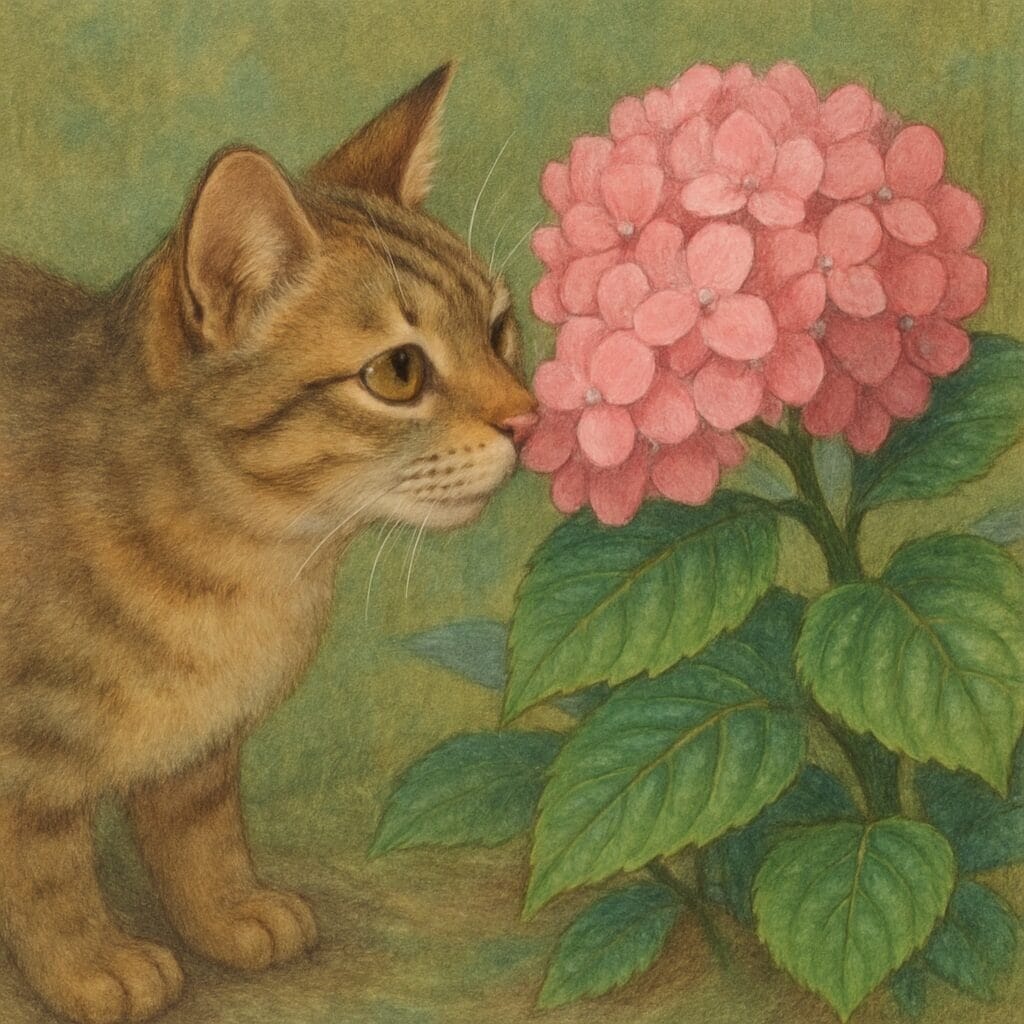
Are Hydrangeas Poisonous to Cats?
Yes, hydrangeas are indeed poisonous to cats. They contain compounds known as cyanogenic glycosides. These compounds are toxic and can affect cats if they chew on the plant.
Cats are more vulnerable to hydrangea toxicity than dogs. This is mainly due to differences in metabolism and body size. Even small ingestions can lead to symptoms.
You might wonder how much exposure is dangerous. The level of toxicity can vary based on how much a cat ingests. While some cats may eat a bit and show no symptoms, others can become very ill.
Symptoms of poisoning may appear within a few hours. Vomiting, diarrhea, and lethargy are common signs your cat may exhibit.
Being mindful of where you place hydrangeas can help protect your cat. Consider keeping these plants out of reach to reduce risk. For households with cats and hydrangeas, simple placement choices can make a big difference.
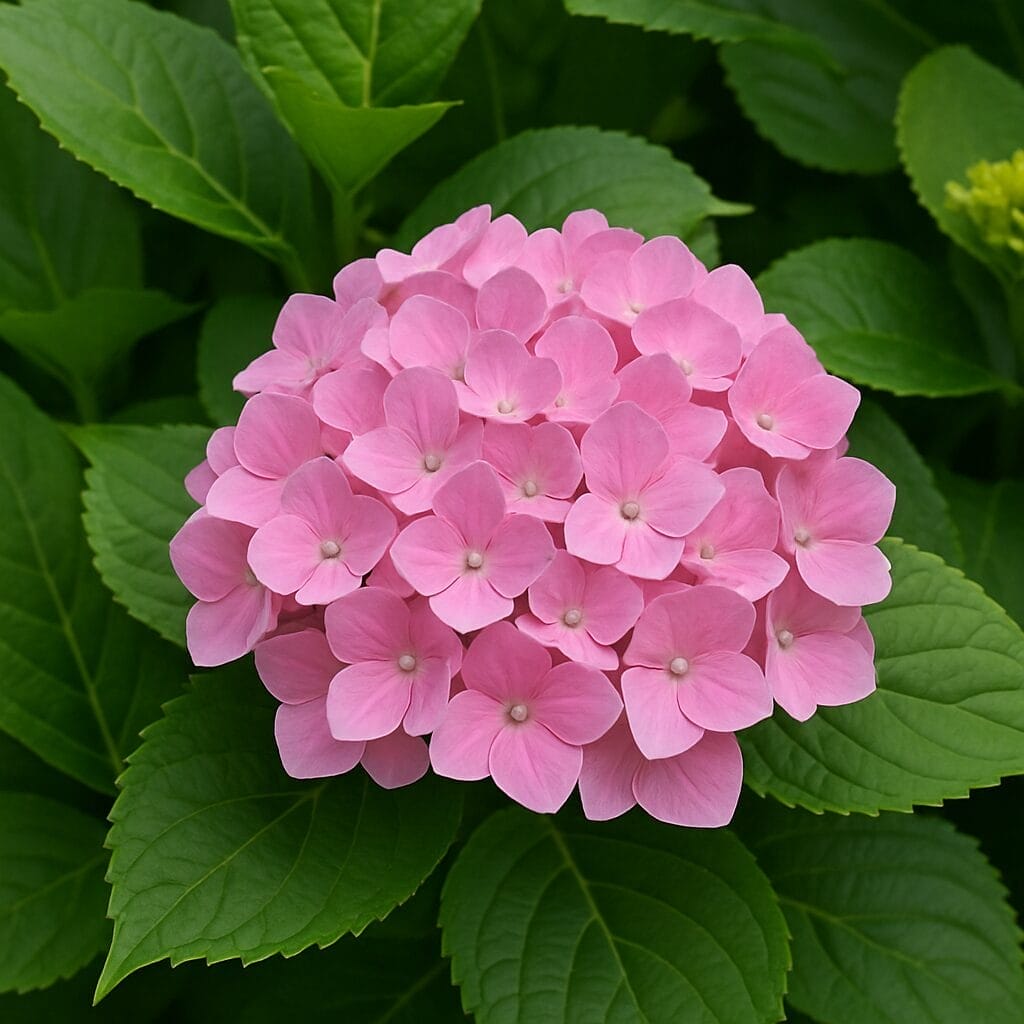
Why Are Hydrangeas Toxic to Cats?
If you’ve wondered, are hydrangeas poisonous to cats, hydrangeas contain cyanogenic glycosides, a dangerous compound for cats. This plant part is mainly found in the leaves, flowers, and buds. When ingested, these compounds convert into cyanide, a potent toxin.
Cats are naturally curious, making them prone to nibbling on plants. Their small size and unique metabolism increase vulnerability to the harmful effects of plant toxins.
Here are key reasons hydrangeas pose a risk to cats:
- Cyanogenic glycosides turn into cyanide.
- Cats’ small size heightens toxin effects.
- Hydrangeas are attractive and tempting to chew on.
Ensuring these plants are inaccessible is crucial. Indoor cats can face more risk if the plants are within reach, as they lack other distractions.
Symptoms of Hydrangea Poisoning in Cats
If a cat ingests hydrangea, symptoms can develop quickly. These signs may manifest within hours. It’s vital to recognize them early.
Common symptoms include vomiting and diarrhea. These are often the first indications of a problem. Cats might also show signs of gastrointestinal distress.
You may notice your cat appearing lethargic or weak. This lack of energy can be accompanied by a noticeable loss of appetite. Paying attention to sudden changes in behavior is important.
Other possible symptoms of hydrangea poisoning include:
- Depression
- Difficulty breathing
- Increased heart rate
While hydrangea poisoning is rarely fatal, it can cause discomfort. If your cat exhibits any of these symptoms, don’t hesitate to seek help. Immediate veterinary attention is advised to prevent the situation from worsening.
Early intervention can make a significant difference in recovery time and overall outcomes. Identifying signs promptly ensures quicker treatment and reduced discomfort for your furry friend.
What to Do If Your Cat Eats Hydrangea
If you suspect your cat has eaten hydrangea, act immediately. Time is critical in preventing serious health issues. Start by observing your cat closely for any symptoms.
Call your veterinarian as soon as possible. Explain the situation, mentioning the symptoms you’ve observed. The vet may ask questions to assess the severity.
Bringing your cat to the clinic might be necessary. The vet may perform tests or administer treatments. These could include inducing vomiting or using activated charcoal.
Steps to take immediately:
- Remove any remaining hydrangea parts from your cat’s reach.
- Do not try to make your cat vomit unless advised by the vet.
- Monitor your cat’s condition until you reach professional help.
Following these steps can help protect your cat from worsening symptoms and ensure a safer outcome.
How to Prevent Cats from Eating Toxic Flowers
Preventing cats from chewing on toxic flowers involves some strategic planning. Cats are curious by nature, and their desire to explore can lead them to nibble on plants. By taking a few precautions, you can keep them safe. This is especially helpful in homes with cats and hydrangeas.
Start by placing toxic flowers out of reach. Shelves or hanging baskets can keep plants away from playful paws. It’s important to ensure that cats cannot climb up to these areas.
Consider using deterrents to discourage your cat from approaching certain plants. Citrus peels or sprays designed for pets can be effective. These have scents that cats usually dislike.
Tips for keeping plants away from cats:
- Use plant stands or hangers at higher levels.
- Rearrange furniture to prevent climbing access.
- Introduce alternative plants for them to explore.


You can create a safer environment with a little effort, letting you enjoy your plants and your cat in harmony.
Cat-Friendly Alternatives to Hydrangeas
If you’re looking for beautiful yet safe plants for your garden, consider alternatives. Many plant options add color and charm without the risk to pets. Choosing wisely means your home is both lovely and safe.
Spider plants are excellent choices. They’re non-toxic to cats and have a unique appearance. Their long, arching leaves catch both eyes and rays of sunlight beautifully. Plus, they thrive indoors and outside.
Safe plants to consider:
- Spider plants
- Boston ferns
- Cat grass


Boston ferns provide lush greenery and are cat-safe. Meanwhile, cat grass can entertain your feline friend for hours. Prioritizing non-toxic plants ensures peace of mind for any cat owner. Your space can be vibrant, with healthy plants and a healthy pet.
Other Common Toxic Flowers for Cats
Many common flowers pose risks to feline friends. Knowing these hazards can help protect your cat. Some beautiful blooms hide dangers beneath their petals. Your garden’s beauty doesn’t have to come at the cost of your pet’s health.
Toxic flowers include:
Below are toxic flowers cats should avoid:
- Lilies
- Tulips
- Daffodils
These popular garden staples can cause serious health issues if ingested. Thus, keeping them away from curious cats is crucial. Consider swapping these flowers for pet-safe alternatives to maintain a lovely and secure environment. Your garden can still dazzle without risking your cat’s well-being.
Final Thoughts: Keeping Cats Safe Around Plants
Ensuring your cat’s safety involves constant vigilance and education. Knowledge about plant toxicity is essential for any pet owner. Being proactive in your approach can make a significant difference.
Create a safe space by choosing pet-friendly plants and regularly checking your garden. This balance of care and caution will keep your cat healthy and happy.