



If you’ve ever watched your dog deal with a gassy, upset tummy, you know how helpless it feels. As a pet parent, you want your furry friend to be happy, energetic, and comfortable. That’s why more owners are searching for the best probiotics for dog gut health—a topic that’s exploded in popularity but is still full of confusion and myths. In this guide, we’ll break down what really works, how to spot gut issues, and how the right probiotic can truly transform your dog’s life. Whether your pup has a sensitive stomach, chronic digestive woes, or you just want to boost their overall wellness, you’re in the right place.
If you want to help your dog thrive from the inside out, understanding and choosing the best probiotics for dog gut health is one of the most powerful steps you can take. This guide covers everything you need to know—science, product picks, and real-world tips—to help your pup feel their best.
What Is Dog Gut Health and Why Does It Matter?

Dog gut health refers to the balance and diversity of bacteria and microorganisms living in your dog’s digestive tract—collectively known as the dog microbiome. This ecosystem does more than just digest food; it impacts your dog’s immune system, mood, skin, and even their risk for chronic diseases.
A healthy gut means:
- Efficient digestion and nutrient absorption
- Stronger immune defenses
- Fewer allergies and skin issues
- Better mood and behavior
When the gut is out of balance, dogs can suffer from everything from diarrhea and gas to chronic itching, anxiety, and even autoimmune problems. That’s why gut health is now considered a cornerstone of canine wellness.
For a deep dive into how your dog’s digestive system works, check out the American Kennel Club’s guide to canine digestion.
Signs Your Dog May Have Gut Health Issues

Use this checklist to spot common symptoms of poor gut health in dogs:
- Frequent diarrhea or loose stools: More than occasional tummy upsets can signal an imbalance.
- Excessive gas or bloating: Persistent flatulence is a classic sign of digestive trouble.
- Chronic itching or skin problems: The gut and skin are closely linked—itchy skin can reflect gut issues.
- Bad breath (not just after meals): Ongoing halitosis may point to gut bacteria problems.
- Loss of appetite or picky eating: Dogs with gut discomfort often avoid food or become finicky.
- Low energy or mood changes: The gut-brain axis means digestive issues can affect behavior.
- Frequent vomiting: Especially if not linked to a specific food or treat.
- Recurring ear infections or allergies: These can be tied to immune imbalances starting in the gut.
If your dog shows two or more of these signs, it’s time to take gut health seriously.
Best Probiotics for Dog Gut Health — What the Science Says
Probiotics are live, beneficial bacteria that help restore and maintain a healthy balance in your dog’s gut. But not all probiotics are created equal—different probiotic strains for dogs have different effects, and quality matters.
Pull-Quote:
“The right probiotic can make a dramatic difference in a dog’s digestive health, immune function, and even behavior. But it’s crucial to choose strains that are proven safe and effective for dogs—not just generic human supplements.”
— Dr. James Carter, DVM
What does the research show?
- Certain strains, such as Lactobacillus acidophilus, Bifidobacterium animalis, and Enterococcus faecium, are well-studied for canine use.
- Probiotics can help with diarrhea, recovery from antibiotics, food sensitivities, and even anxiety.
- Quality and survivability (the ability to reach the gut alive) are key—look for products with clear strain labeling and guaranteed live cultures.
For more, see PetMD’s overview of probiotics for dogs.
Top 5 Probiotics for Dog Gut Health — Comparison Table
| Product Name | Key Probiotic Strains | Best For | Price Range | Our Rating |
|---|---|---|---|---|
| Purina FortiFlora | Enterococcus faecium | Sensitive stomach, diarrhea | $$ | ⭐⭐⭐⭐⭐ |
| Zesty Paws Probiotic Bites | Lactobacillus acidophilus, B. coagulans | General gut health, picky eaters | $$ | ⭐⭐⭐⭐½ |
| Nutramax Proviable-DC | L. acidophilus, B. bifidum, E. faecium | Antibiotic recovery, chronic GI | $$$ | ⭐⭐⭐⭐⭐ |
| NomNom Probiotic Support | L. acidophilus, B. animalis | Custom diets, food sensitivities | $$$ | ⭐⭐⭐⭐½ |
| PetHonesty Digestive Probiotics | L. plantarum, B. subtilis | Immune support, allergies | $$ | ⭐⭐⭐⭐ |
How to Choose the Best Probiotics for Dog Gut Health

When shopping for gut health supplements for dogs, keep these criteria in mind:
- Strain specificity: Look for products listing specific strains (e.g., L. acidophilus), not just “probiotics.”
- CFU count: Aim for at least 1–5 billion CFUs (colony-forming units) per serving for effectiveness.
- Dog-specific formulas: Choose probiotics formulated for dogs, not generic human supplements.
- Quality assurance: Opt for brands with third-party testing and clear expiration dates.
- Delivery method: Chews, powders, and capsules are all effective—pick what your dog will actually eat.
- No unnecessary fillers: Avoid artificial flavors, colors, or preservatives.
For more on canine nutrition, see our complete dog nutrition guide.
The Gut-Brain Axis in Dogs: The New Research You Need to Know
Here’s where things get really interesting—and where most competitor blogs fall short. Recent studies show that your dog’s gut health doesn’t just affect digestion; it also impacts their mood, stress levels, and even learning ability. This is called the gut-brain axis.
- How does it work?
The gut produces neurotransmitters like serotonin, which influence mood and behavior. An imbalanced gut can lead to anxiety, depression, or even aggression in dogs. - What does this mean for your dog?
Supporting gut health with the right probiotics may help reduce anxiety, improve focus during training, and support overall emotional well-being. - Emerging research:
Scientists are now exploring how specific probiotic strains can help dogs with separation anxiety or noise phobias—an exciting frontier in pet wellness.
For practical tips, check out our dog digestive health tips.
How to Use Dog Probiotics Safely — Dosage, Timing & Tips
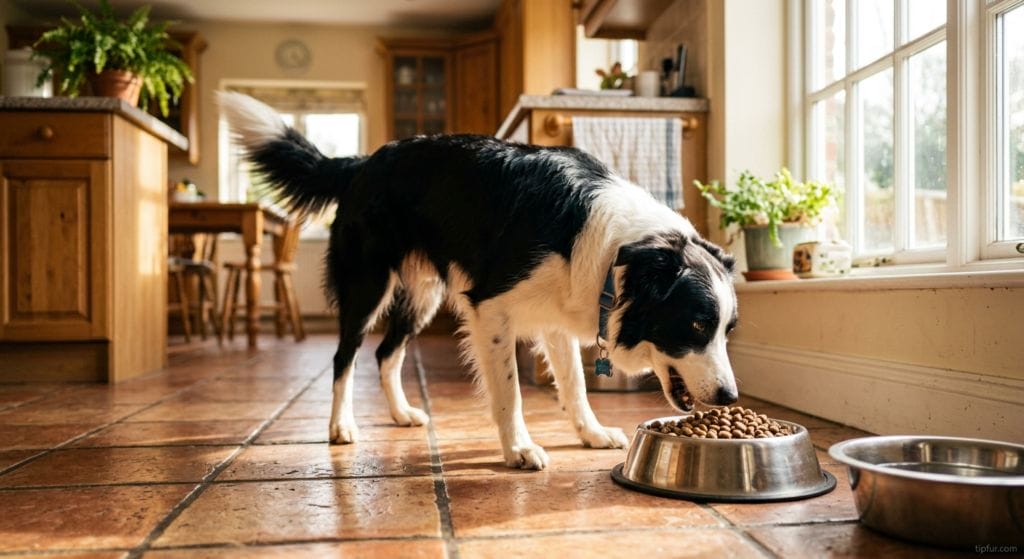
- Start slow: Introduce probiotics gradually to avoid digestive upset.
- Follow label instructions: Dosage varies by product and dog size.
- Consistency is key: Give probiotics daily for best results.
- Timing: Some experts recommend giving probiotics with food to protect the bacteria as they travel through the stomach.
- Monitor for changes: Watch for improvements in stool quality, energy, and skin/coat health.
- Consult your vet, especially if your dog has chronic health issues or is on medication.
Frequently Asked Questions About Dog Probiotics
Q1: Can I give my dog human probiotics?
A: It’s best to use dog-specific probiotics. Human strains may not survive in a dog’s gut or could be ineffective.
Q2: How long does it take to see results?
A: Many owners notice improvements in digestion within 1–2 weeks, but full benefits may take a month.
Q3: Are probiotics safe for puppies?
A: Most are safe, but always check the label and consult your vet for puppies under 12 weeks.
Q4: Can probiotics help with allergies?
A: Yes, by supporting immune balance, probiotics may reduce allergy symptoms in some dogs.
Q5: What if my dog has a sensitive stomach?
A: Probiotics are often recommended for sensitive stomach dogs, but start with a low dose and monitor closely.
Closing Thoughts & Call to Action
Supporting your dog’s gut health is one of the most loving things you can do as a pet parent. By choosing the best probiotics for dog gut health, you’re not just easing tummy troubles—you’re boosting their immunity, mood, and long-term vitality. Ready to see your dog thrive? Try one of the top picks above, and let us know your results in the comments!

Sarah Mitchell, CPNS
With 8+ years of experience in canine wellness and integrative pet health.
Reviewed by:

Practicing small animal veterinarian with 12 years of clinical experience.


