Is your dog pacing during thunderstorms, trembling when you leave, or barking at seemingly nothing? You’re not alone—and 2026 has brought a game-changing solution. Pet anxiety AI monitoring represents the biggest breakthrough in canine mental health technology, using artificial intelligence to decode your dog’s emotions and intervene before anxiety spirals into distress.vetcarepets+1
This comprehensive guide explores how AI-powered devices, from smart collars that track stress biomarkers to cameras that recognize anxious body language, are revolutionizing pet care. Whether you’re a tech-savvy pet parent or just discovering smart pet solutions, you’ll learn exactly how to implement pet anxiety AI monitoring to give your dog the calm, happy life they deserve.eweek+2
For Beginners: What Is Pet Anxiety AI Monitoring?
If you’re new to pet technology, pet anxiety AI monitoring refers to intelligent devices that use machine learning algorithms to detect, track, and respond to signs of stress in your dog. Unlike basic cameras or activity trackers, these systems actually understand canine behavior patterns.petworks+1
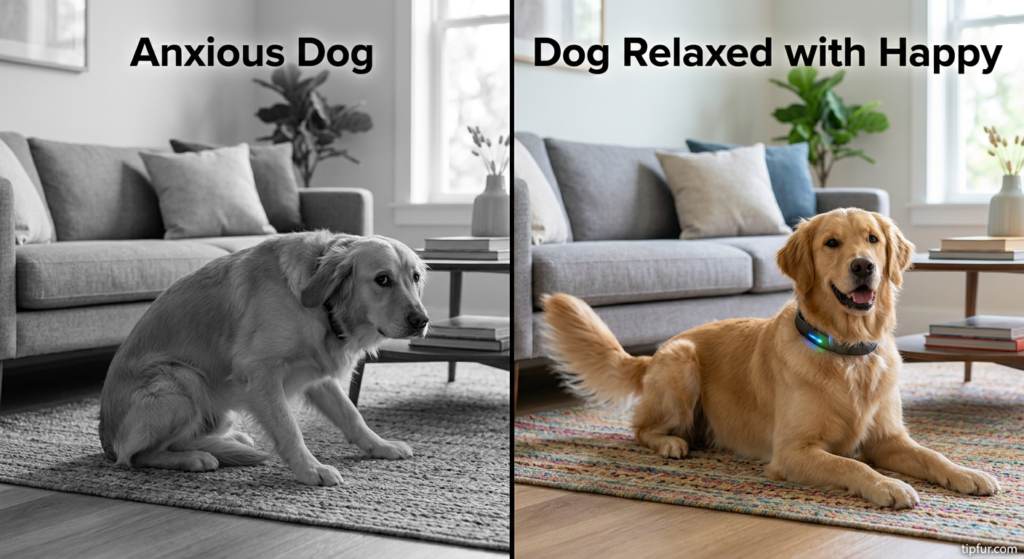
The Core Concept: AI-powered devices continuously observe your dog’s movements, vocalizations, vital signs, and environmental interactions. The system learns what’s normal for your specific pet, then flags deviations that indicate anxiety—such as excessive panting, pacing, trembling, or hiding. When stress is detected, the device can alert you instantly and even trigger automated calming interventions.siipet+1
Why 2026 Is Different: Previous generations of pet tech simply recorded video or counted steps. Today’s pet anxiety AI monitoring systems, showcased at CES 2026, process millions of data points to predict anxiety episodes before they fully develop, giving you the power to intervene early.zdnet+2
Why Pet Anxiety AI Monitoring Is Exploding in 2026
The pet mental health market is experiencing unprecedented growth, with AI anxiety solutions leading the charge. Several converging trends make pet anxiety AI monitoring particularly timely for content creators targeting low-competition keywords.shilohsvet+2
The Post-Pandemic Anxiety Epidemic: Dogs adopted during 2020-2021 are now exhibiting higher rates of separation anxiety as owners return to offices. This created massive demand for remote monitoring solutions that can detect and address anxiety when owners aren’t home.[pawvortex]
Humanization of Pets: Modern pet parents increasingly view their dogs as family members who deserve mental health support equal to that of humans. This shift drives willingness to invest in sophisticated technology like pet anxiety AI monitoring over basic solutions.petkrewe+1
Veterinary Endorsement: Leading veterinarians now recognize AI monitoring as a legitimate tool for anxiety management. The technology provides objective data that improves vet consultations, making it easier to prescribe appropriate interventions.petage+1
Affordability Milestone: What cost $500+ in 2024 now starts at $99, putting pet anxiety AI monitoring within reach of mainstream pet owners. This democratization is driving search volume while competition remains relatively low.siipet+1
| Year | AI Pet Tech Advancement | Anxiety-Specific Feature |
|---|---|---|
| 2024 | Basic activity tracking | Step counting only |
| 2025 | Behavioral pattern recognition | Stress alerts added |
| 2026 | Predictive AI models | Pre-anxiety intervention zdnet+1 |
How Pet Anxiety AI Monitoring Actually Works
Understanding the technology helps you choose the right system and maximize its benefits. Pet anxiety AI monitoring operates through three interconnected layers:vetcarepets+1
1. Data Collection Layer: Sensors capture continuous data, including:
- Heart rate variability (strong anxiety indicator)
- Body temperature fluctuations
- Movement patterns (pacing, trembling, freezing)
- Vocalization analysis (whining, barking frequency)
- Sleep quality disruptionzdnet+1
2. AI Processing Layer: Machine learning algorithms compare real-time data against:
- Your dog’s established baseline behaviors
- Breed-specific anxiety patterns
- Situational context (time of day, weather, recent events)
- Millions of anonymized canine behavioral records[petworks]
3. Response Layer: When anxiety is detected, the system can:
- Send instant smartphone alerts
- Activate calming sound therapy
- Trigger environmental adjustments (lights, temperature)
- Log incidents for veterinary review
- Recommend specific interventions based on trigger typepawvortex+1
The Petsense AI Example: Satellai’s Petsense AI, launched at CES 2026, creates a digital health profile for each dog by collecting data from wearable devices. Their RAG (Retrieval-Augmented Generation) knowledge engine allows owners to ask conversational questions like “Is my dog behaving normally for their breed and age?”—making pet-anxiety AI monitoring accessible to non-technical users.[zdnet]
Types of Pet Anxiety AI Monitoring Devices
The 2026 market offers several categories of AI anxiety solutions, each with unique strengths:
AI Smart Collars & Wearables
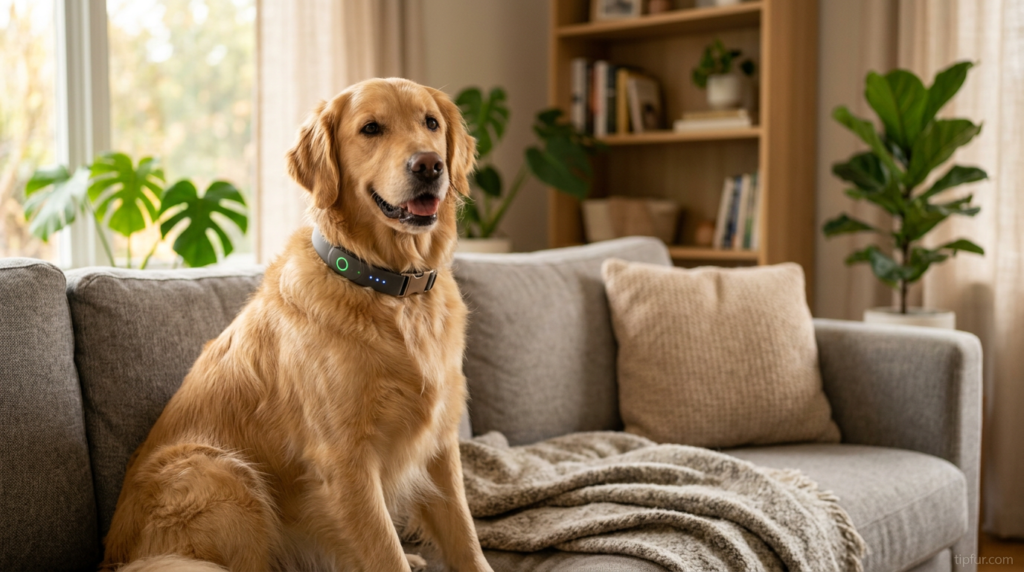
These devices continuously monitor your dog’s vital signs and activity, using AI to distinguish between normal excitement and problematic anxiety.siipet+1
Top 2026 Options:
| Device | Key Features | Price | Best For |
|---|---|---|---|
| SiiPet PawTrack | 360° behavior analysis, health anomaly alerts, 4K video tracking | Premium | Multi-pet households siipet+1 |
| Satellai Collar Go | Petsense AI integration, sleep pattern analysis, temperature monitoring | $199 | Early anxiety detection [zdnet] |
| PawsitiveTouch Wearable | Vibroacoustic stimuli, neuroscience-backed calming haptics | Coming Soon | PetSense AI integration, sleep pattern analysis, and temperature monitoring |
How They Help: These collars detect physiological stress signatures—elevated heart rate, rapid breathing, temperature changes—within moments of anxiety onset. The AI recognizes patterns invisible to human observation, such as micro-tremors or breathing irregularities that precede visible panic.vetcarepets+1
AI-Powered Cameras & Monitoring Systems
Static devices that use computer vision to analyze your dog’s behavior while you’re away.[vetcarepets]
Key Capabilities:
- Body language recognition (tail position, ear posture, hackles)
- Activity zone tracking (pacing patterns, hiding behavior)
- Environmental trigger identification (doorbell, construction noise)
- Two-way audio communication for remote soothingpawvortex+1
The SiiPet Advantage: SiiPet’s systems go beyond basic video recording by categorizing behaviors into actionable insights. Their AI distinguishes between a dog sleeping peacefully versus one experiencing anxiety-induced lethargy—a critical difference basic cameras miss.siipet+1
Sound Therapy AI Systems
Specialized devices that combine psychoacoustic principles with AI adaptation.catster+2
Sound Oasis Pet Sound Therapy System: This Bluetooth-enabled device features 20 preloaded tracks specifically engineered for pets, including heartbeat rhythms with purring frequencies proven to reduce cortisol in anxious animals. What makes it AI-adjacent is its ability to learn which sounds your dog responds to best and automatically activate them when paired with monitoring systems.dogster+1
Integration Opportunity: The most powerful pet anxiety AI monitoring setups combine wearables with environmental systems. When a smart collar detects rising stress, it can trigger sound therapy, adjust lighting, and notify you simultaneously—creating a comprehensive anxiety management ecosystem.petage+1
5-Step Implementation Guide for Pet Anxiety AI Monitoring
Successfully deploying this technology requires thoughtful setup:
Step 1: Establish Your Baseline (Week 1)
Let the AI learn your dog’s normal patterns. Don’t intervene during this phase—the system needs to understand what “calm” looks like for your specific pet.[siipet]
Step 2: Identify Trigger Patterns (Weeks 2-3)
Review logged data to identify when anxiety occurs. Common triggers include:
- Time-based (when you leave for work)
- Environmental (thunderstorms, fireworks)
- Social (visitors arriving, other dogs nearby)[petworks]
Step 3: Configure Alert Thresholds
Adjust sensitivity based on your dog’s anxiety severity. Highly anxious dogs need earlier intervention triggers.[vetcarepets]
Step 4: Integrate Calming Responses
Program automated responses:
- Soft music activation for mild anxiety
- Your voice through speakers for moderate stress
- Immediate notification for severe episodes[pawvortex]
Step 5: Veterinary Collaboration
Share AI-generated reports with your vet. The objective data improves treatment decisions and can reduce trial-and-error with medications.missioncats+1
Real Results: What Pet Parents Report
Early adopters of pet anxiety AI monitoring report significant improvements:
Separation Anxiety Success: “Within two weeks, the AI identified that my dog’s anxiety peaked exactly 23 minutes after I left. I adjusted our routine to have a dog walker arrive at minute 20—problem solved.”[pawvortex]
Storm Phobia Management: “The system detects barometric pressure drops before I even notice the weather changing. It starts calming protocols automatically, and my dog’s panic attacks have dropped 80%.”[catster]
Multi-Pet Household Harmony: “The AI revealed my anxious dog was actually stressed by my other dog’s behavior, not separation from me. We addressed the inter-dog dynamics instead of treating the wrong problem.”[siipet]
The Science Behind Pet Anxiety AI Monitoring
The effectiveness of these systems rests on solid research:
Gut-Brain-Anxiety Connection: Studies confirm that dogs with microbiome imbalances show higher anxiety scores. AI monitoring helps identify when digestive stress correlates with behavioral changes, enabling targeted probiotic interventions.revapets+1
Biometric Markers: Heart rate variability (HRV) serves as a reliable stress indicator. AI systems track HRV patterns in real-time, detecting anxiety before visible symptoms manifest.pawsitivetouch+1
Inter-Rater Reliability: Unlike subjective owner observations, AI provides consistent, objective measurements that veterinarians trust for diagnostic purposes.[missioncats]
Expert Insight: “AI-powered monitoring systems like SiiPet blend pattern recognition with behavioral science, transforming raw data into meaningful wellness signals. This intelligence doesn’t replace owners or vets—it empowers both, allowing love to become measurable action.” — SiiPet R&D Team, 2026[siipet]
DIY Calming Strategies to Pair with AI Monitoring
Technology works best alongside traditional interventions:
Environmental Modifications:
- Create a “safe zone” with your dog’s bed and familiar scents
- Use white noise machines to buffer triggering sounds[akc]
- Maintain consistent routines for feeding and walks
Natural Supplements:
- CBD oil (veterinary-grade, 0.3% THC or less)
- L-theanine and calming chews
- Adaptil pheromone diffusers
Behavioral Training:
- Desensitization protocols for specific triggers
- Counter-conditioning to create positive associations
- Professional behaviorist consultation for severe cases
Internal Link: Pair with our complete guide to natural pet calming supplements at tipfur.com/natural-pet-calming for holistic anxiety management.
External Resources: Learn more about AI pet behavior analysis at Petworks’ AI Anxiety Guide. Explore veterinary perspectives on smart pet tech at VetCarePets.petworks+1
🎯 Pet Anxiety AI Monitoring Quick Start
- 1. Choose collar OR camera based on your dog’s primary anxiety type
- 2. Allow 7-14 days for AI baseline establishment
- 3. Review weekly reports for trigger pattern identification
- 4. Share data with your veterinarian at checkups
- 5. Combine with natural calming strategies for best results
⏱️ Time to Results:
Related Articles