Learning how to do a pet wellness check at home is one of the most valuable skills any pet parent can develop. Most pet health problems don’t start with dramatic symptoms — they start with subtle changes that go unnoticed for weeks or months. By the time you see obvious signs, the problem is often advanced, expensive to treat, and harder on your pet.
This guide will walk you through a complete nose-to-tail home wellness examination that takes less than 10 minutes but can catch issues before they become emergencies.
🐾 Beginner Section: What Is a Pet Wellness Check at Home and Why Does It Matter?
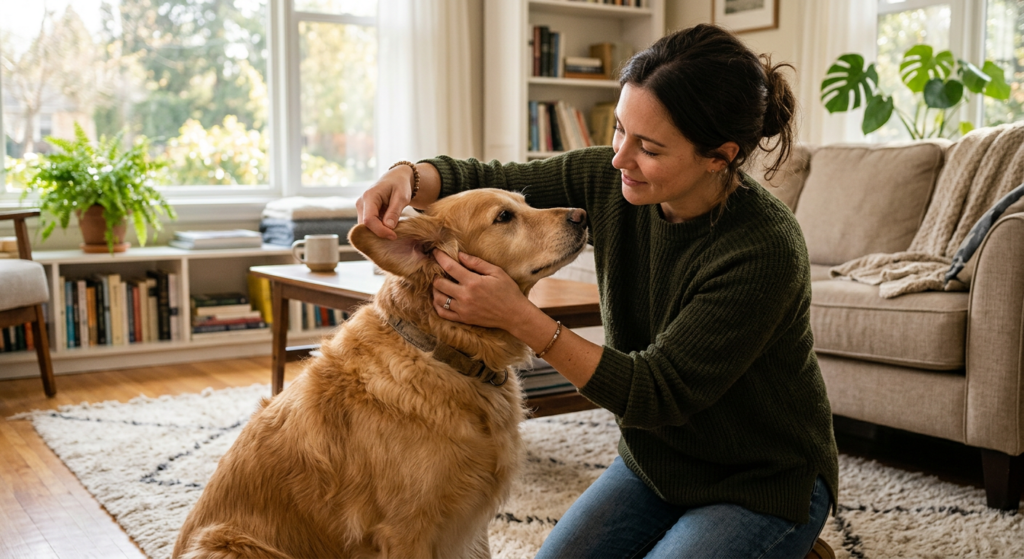
If you’re new to pet ownership — or you’ve simply never done this before — a pet wellness check at home is a structured, head-to-tail physical examination you perform on your dog or cat to detect early signs of illness, injury, or discomfort.
Think of it as a monthly “health snapshot.” You’re not diagnosing anything. You’re establishing a baseline so you know what’s normal for your pet, and you notice quickly when something changes.
Why this matters, by the numbers:
| Fact | Source |
|---|---|
| Pets age 5–7x faster than humans, meaning conditions develop rapidly | American Veterinary Medical Association (AVMA) |
| 1 in 4 pets that appear healthy have underlying conditions detected during routine exams | Banfield Pet Hospital State of Pet Health Report |
| Early detection of diseases like kidney disease can extend a cat’s life by 2–3 years | International Cat Care |
The takeaway: You are your pet’s first line of defense. Veterinarians see your pet once or twice a year. You see them every day.
Step-by-Step: How to Do a Pet Wellness Check at Home
Follow this structured checklist monthly, or weekly for senior pets (7+ years for dogs, 11+ years for cats). Keep a simple journal or phone note to track what you find each time.
Step 1: Observe Behavior Before You Touch
Before laying a hand on your pet, spend 2–3 minutes watching.
What to look for:
- Energy level — Is it consistent with their normal? Sudden lethargy is a red flag.
- Gait — Are they favoring a leg? Stiffness when rising?
- Appetite and thirst — Increased thirst can signal kidney disease or diabetes.
- Breathing — At rest, dogs should breathe 15–30 breaths per minute; cats 20–30.
🗣️ “The most important diagnostic tool in veterinary medicine isn’t a blood test — it’s an observant owner.” — Dr. Marty Becker, DVM, America’s Veterinarian and founder of Fear Free Pets
Pro tip: Record a 30-second video of your pet walking toward you once a month. Comparing videos over time reveals gradual lameness you’d never notice day-to-day.
Step 2: Eyes — The Windows to Pet Wellness
Hold your pet’s face gently and look at both eyes.
Healthy signs:
- Bright, clear, and symmetrical
- No excessive discharge or crusting
- Pupils are equal in size and responsive to light
Warning signs:
| Symptom | Possible Concern |
|---|---|
| Cloudiness or blue-gray haze | Cataracts, nuclear sclerosis |
| Yellow tinge in whites of eyes | Liver issues (jaundice) |
| Persistent redness | Infection, allergy, and glaucoma |
| Unequal pupil sizes | Neurological issue — seek vet care immediately |
For more tips on recognizing eye issues in dogs, check out our guide on common dog health symptoms every owner should know.
Step 3: Ears — Smell and Look
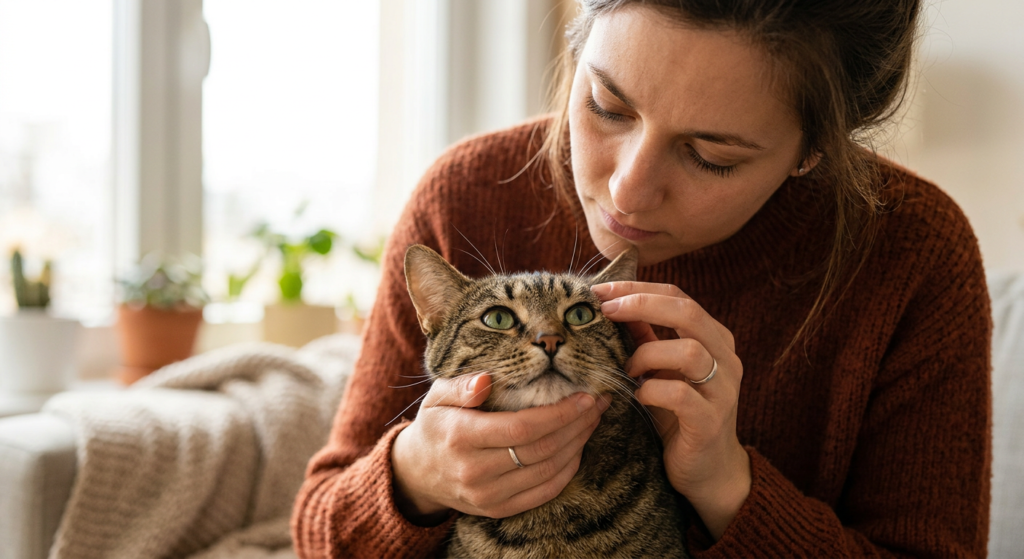
Flip each ear flap and look inside the ear canal.
- Healthy: Light pink, minimal wax, no odor
- Unhealthy: Redness, brown/black discharge, foul smell, head shaking
Ear infections are among the top 3 reasons pet owners visit the vet, according to Nationwide Pet Insurance claims data. Catching them early at home saves pain and money.
For floppy-eared breeds (Basset Hounds, Cocker Spaniels, etc.), check ears weekly — moisture gets trapped easily.
Step 4: Mouth, Teeth, and Gums — The Most Overlooked Pet Wellness Check at Home
This is where most pet owners skip — and where some of the most critical issues hide.
What to examine:
- Gum color: Press a finger against the gum and release. It should turn white, then return to pink within 2 seconds (capillary refill test).
- Teeth: Look for brown/yellow tartar buildup, cracked teeth, or bleeding gums.
- Breath: Mild “pet breath” is normal. Foul, sweet, or ammonia-like breath is not.
Gum Color Quick Reference:
+-------------------+-----------------------------------+
| Gum Color         | What It May Indicate              |
+-------------------+-----------------------------------+
| Pink              | Normal, healthy                   |
| White/Pale        | Anemia, blood loss, shock         |
| Bright Red        | Heatstroke, toxin exposure        |
| Yellow            | Liver disease                     |
| Blue/Purple       | Oxygen deprivation — EMERGENCY    |
+-------------------+-----------------------------------+
Did you know? By age 3, over 80% of dogs and 70% of cats have some form of dental disease, according to the American Veterinary Dental College. A quick mouth check at home can catch problems before they cause organ damage.
If you’re new to pet dental care, read our beginner’s guide on how to keep your pet’s teeth clean naturally.
Step 5: Skin and Coat — Run Your Hands Everywhere
This is the most hands-on part of learning how to do a pet wellness check at home. Part the fur and look at the skin directly.
Check for:
- Lumps, bumps, or swelling (note the size and location — measure with a coin for reference)
- Flaky, dry, or oily skin
- Redness, hot spots, or rashes
- Flea dirt (tiny black specks that turn red when wet)
- Hair loss or thinning patches
Every time you find a new lump on your pet, take a photo with your phone next to a coin for scale. Date it. Show it to your vet. This “lump diary” can be the difference between catching cancer early and catching it too late.
Step 6: Body Condition — Is Your Pet the Right Weight?
Obesity is the #1 preventable health condition in pets. The Association for Pet Obesity Prevention reports that 59% of dogs and 61% of cats in the U.S. are overweight or obese.
The 3-Second Body Condition Check:
- Rib test — Run your hands along the ribcage. You should feel ribs with a slight fat cover. If you have to press hard to find them, your pet is overweight.
- Waist test — Look at your pet from above. There should be a visible waist tucked behind the ribs.
- Tummy test — From the side, the abdomen should tuck upward slightly, not hang or bulge.
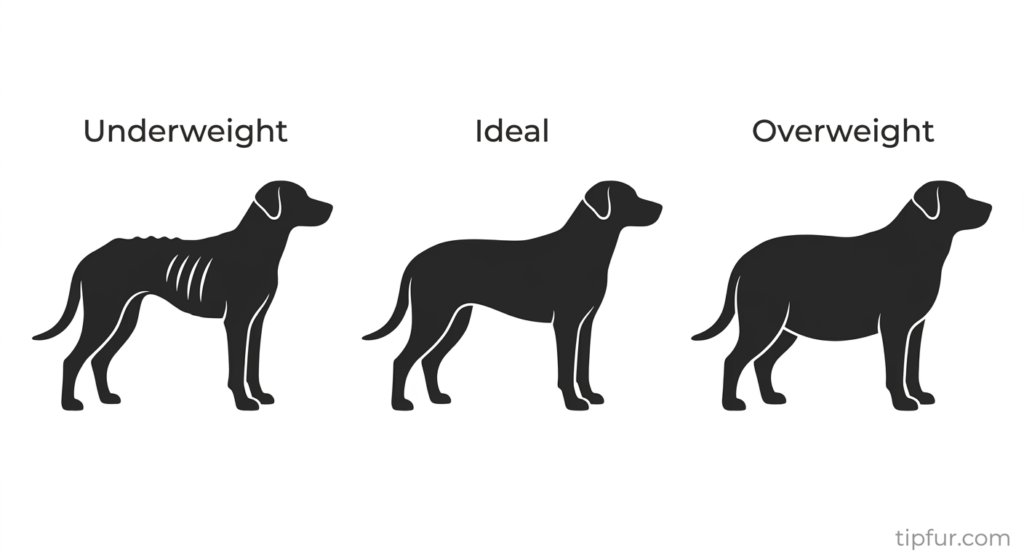
For a detailed breakdown of healthy pet weight ranges, see our article on how to help your overweight pet lose weight safely.
Step 7: Legs, Paws, and Nails
Pick up each paw and inspect:
- Nail length — If nails click loudly on hard floors, they’re too long.
- Paw pads — Look for cracks, cuts, or foreign objects lodged between toes.
- Joint flexibility — Gently extend and flex each leg. Resistance or whimpering may indicate arthritis.
For senior dogs, the American Kennel Club recommends checking joint mobility monthly to catch osteoarthritis progression early.
Step 8: Rear End — Yes, You Have to Look
Check the area around the tail and under it.
- Signs of diarrhea or soiling — Can indicate digestive issues or food intolerance
- Scooting on the floor — Often means anal glands need expressing
- Swelling around the anus — Could indicate anal gland impaction or tumors
- For unneutered males — Check for testicular symmetry and swelling
Step 9: Vital Signs — Take the Numbers
Here’s a simple table to reference during your check:
| Vital Sign | Dogs (Normal Range) | Cats (Normal Range) |
|---|---|---|
| Heart Rate | 60–140 bpm (varies by size) | 140–220 bpm |
| Respiratory Rate (resting) | 15–30 breaths/min | 20–30 breaths/min |
| Temperature (rectal) | 101–102.5°F (38.3–39.2°C) | 100.5–102.5°F (38–39.2°C) |
How to check heart rate: Place your hand on the left side of the chest, just behind the elbow. Count beats for 15 seconds and multiply by 4.
📋 Free Printable Pet Wellness Check at Home Checklist
🐾 Monthly Pet Wellness Check Checklist
- ☐ Behavior & energy level observed
- ☐ Eyes — clear, bright, symmetrical
- ☐ Ears — clean, no odor, no discharge
- ☐ Mouth — pink gums, clean teeth, normal breath
- ☐ Skin & coat — no lumps, no flakes, no parasites
- ☐ Body condition — ribs, waist, and tummy checked
- ☐ Paws & nails — no cracks, proper length
- ☐ Rear end — clean, no scooting, no swelling
- ☐ Vital signs — heart rate, breathing rate noted
- ☐ Weight — recorded and compared to last month
Download this checklist at tipfur.com · Watermark: tipfur.com
When a Home Wellness Check Isn’t Enough: Know When to Call the Vet
A pet wellness check at home is a monitoring tool — not a replacement for professional veterinary care. See your vet immediately if you find:
- Any lump that grows rapidly or changes shape
- Gums that are white, blue, or yellow
- Sudden weight loss or gain without a diet change
- Persistent vomiting or diarrhea lasting more than 24 hours
- Behavioral changes like aggression, hiding, or confusion
- Difficulty breathing, collapse, or seizures
For a full list of emergency symptoms, visit our resource on pet emergency warning signs you should never ignore.
How Often Should You Do a Pet Wellness Check at Home?
| Pet Age/Status | Recommended Frequency |
|---|---|
| Puppies & kittens (under 1 year) | Every 2 weeks |
| Adult pets (1–6 years dogs / 1–10 years cats) | Monthly |
| Senior pets (7+ years dogs / 11+ years cats) | Weekly |
| Pets with chronic conditions | Weekly or as directed by vet |
Final Thoughts: Your Hands Are Your Pet’s Best Health Tool
Knowing how to do a pet wellness check at home doesn’t require a veterinary degree. It requires consistency, attention, and 10 minutes a month. The patterns you track and the changes you catch could genuinely save your pet’s life — or at minimum, save you thousands in emergency vet bills.
Start this month. Pick a day — maybe the first Sunday — and make it your pet’s wellness day. Use the checklist above, keep notes, and bring them to your next vet visit. Your veterinarian will thank you.
Your pet can’t tell you when something is wrong. But their body can — if you know where to look.
Have questions about pet wellness checks or want to share your experience? Leave a comment below or explore more practical pet care guides at TipFur.com.