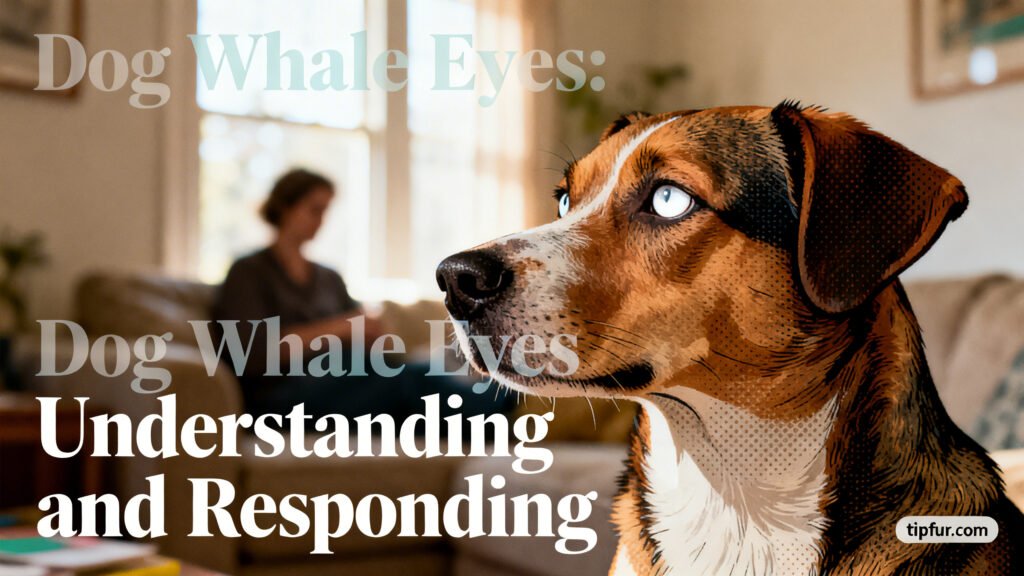
Dogs communicate in many ways, and their eyes are a key part of this. Understanding your dog’s eye expressions can reveal much about their feelings. If you notice a dog showing white of eyes—often called whale eye—context will help you interpret what you’re seeing.
When a dog shows the whites of their eyes, it can be a sign of stress or discomfort. This expression, often called “whale eyes” (sometimes informally referred to as dog whaling), is important to recognize, and the whale eyes meaning always depends on context.
Not all instances of showing the whites are negative, though. Context is crucial in interpreting these expressions.
By learning to read your dog’s eyes, you can better understand their needs and emotions. This knowledge can strengthen the bond between you and your furry friend.
Let’s explore what your dog’s eye expressions might be telling you.
Summary
Dogs use eye expressions to communicate, and visible eye whites (“whale eyes”) can indicate stress, fear, or sometimes excitement—so context and accompanying body language matter. Distinguishing whale eyes from normal or “puppy” eyes involves noting sclera visibility, muscle tension, and pupil size. Common triggers include vet or grooming visits, loud noises, unfamiliar settings, and intense play; frequent occurrences or other symptoms warrant veterinary or behaviorist guidance and attention to dog eye health. This guide also addresses whale eyes vs puppy eyes, dog whale eye vs normal eye, and what does whale eyes mean in dogs—plus when canine eye problems and dog eye issues need a vet.
What Does It Mean When a Dog Shows the Whites of Their Eyes?
Seeing the whites of your dog’s eyes, often referred to as “whale eyes,” may raise concerns. This expression can indicate various emotions in dogs, such as stress, fear, or unease.
Understanding the context is important when interpreting this behavior. It might be a temporary reaction to an unusual situation, such as a crowded park or meeting new dogs.
However, not all expressions of whale eyes are negative. Sometimes, dogs may show the whites of their eyes when they’re feeling playful or energetic. Observing your dog’s overall body language can provide additional clues. If you’re wondering, what does whale eyes mean in dogs, the answer lies in the full picture: posture, tail, ears, and situation.
Here’s a quick checklist to help interpret this eye expression:
- Assess your dog’s environment.
- Look for signs of stress or fear.
- Consider your dog’s past behavior patterns.
Understanding these factors can help you react appropriately. If your dog frequently shows whale eyes, it could be beneficial to consult a veterinarian or a dog behaviorist.

By recognizing the reasons behind this expression, you can better ensure your dog’s well-being and comfort.
Whale Eyes in Dogs: Definition and Meaning
“Whale eyes” in dogs is a term that describes when a dog shows the whites of its eyes. This expression often signals stress or discomfort. It can indicate a range of emotions, from anxiety to aggression.
Understanding the true meaning behind whale eyes requires looking at the context. This expression can appear when a dog feels threatened or cornered. However, it is not an automatic sign of aggression. It simply reflects heightened alertness or unease.
Dogs may also show whale eyes during playful situations, though. In such cases, it may signify excitement rather than distress. Differentiating these situations is crucial for proper interpretation. If you’ve wondered about whale eyes dog meaning or simply whale eyes meaning, remember it describes visible sclera linked to arousal or discomfort, depending on the scenario. Some resources even label it “whale eye dog” in search results, but the behavior itself does not change.
Consider these common triggers for whale eyes:
- Sudden loud noises
- New, unfamiliar environments
- Unwanted physical interaction
An important aspect is to gauge the dog’s comfort level and surroundings. Noticing other body language cues, like a wagging tail or stiff posture, helps in understanding the dog’s mood.

Recognizing when a dog displays this look can provide valuable insights. This awareness enables better communication and ensures appropriate responses.
Whale Eyes vs. Normal Eyes: How to Tell the Difference
It’s crucial to distinguish between whale eyes and normal eyes in dogs. If you’re comparing dog whale eye vs normal eye (or dog whale eye vs normal), here’s what to look for. Whale eyes are marked by visible whites due to a widened gaze. This contrasts with a relaxed, normal eye expression where the whites are less apparent.
Identifying whale eyes involves looking for tension around the eyes. A stiffened body and dilated pupils often accompany this expression. In contrast, normal eyes appear softer and indicate comfort or contentment.
Here’s how to spot the difference more clearly:
- Eye Position: Whale eyes involve visible sclera; normal eyes don’t.
- Muscle Tension: Whale eyes show tightness; normal eyes have relaxed muscles.
- Pupil Size: Whale eyes often mean dilated pupils; normal eyes have regular pupil size.
Understanding these signs aids in interpreting a dog’s feelings accurately. Reacting appropriately to each expression enhances care and interactions.
Observing and learning your dog’s typical expressions help differentiate between stress and relaxed states. Knowledge of this allows for timely interventions if necessary.
Common Situations When Dogs Show Whale Eyes
Dogs often display whale eyes in varied situations. These scenarios typically involve stress, fear, or confusion. It’s essential to notice these instances to understand your dog’s emotional state.
One common trigger is during veterinary visits. The unfamiliar environment, along with strange smells and sounds, can create anxiety. Similarly, many dogs show whale eyes during grooming sessions. The restraint and noises can be overwhelming for some pets.
In addition, playtime can lead to this expression. While playing, excitement might escalate to discomfort or stress, causing a dog to exhibit this eye expression. Some dogs show dog whale eye while playing if arousal gets too high, so monitoring play closely helps prevent such occurrences.
Here’s a list of common situations that might cause whale eyes:
- Visits to the vet or groomer
- Encounters with loud noises or fireworks
- Unfamiliar places or people
- Overly intense play with other dogs

Understanding these settings enables proactive interventions. Being mindful of stressors strengthens the bond with your pet by enhancing their comfort and security.
Whale Eyes vs Puppy Eyes: Understanding the Contrast
Recognizing whale eyes vs puppy eyes is vital for understanding your dog’s emotions. While both involve noticeable eye expressions, their meanings vary greatly. Understanding these expressions can help meet your dog’s needs effectively.
Puppy eyes are characterized by a wide, soft gaze. This look often indicates a desire for attention or affection. It’s generally considered a positive and endearing expression that reflects a dog’s gentleness and longing.
In contrast, whale eyes suggest discomfort or stress. The white of the eyes becomes more pronounced, signaling unease. Recognizing these cues ensures appropriate responses, preventing misunderstandings about your pet’s emotional state.
Distinct features to differentiate these expressions:
- Puppy Eyes: Soft, endearing, indicates affection.
- Whale Eyes: Whites visible, signals stress.

Accurate interpretation strengthens communication with your furry friend, ensuring they receive support when needed most.
Is Whale Eye in Dogs Always Bad?
Whale eyes in dogs are not always cause for alarm. Context plays a crucial role in understanding this eye expression. Sometimes, these wide-eyed looks occur in harmless scenarios.
While whale eyes can signal stress or fear, they might also appear during intense play. Observing your dog’s overall body language and environment is essential. This helps in distinguishing whether whale eyes indicate a serious problem or are merely a fleeting response.
Signs to consider when evaluating whale eyes:
- Frequency: Occasional or frequent occurrence?
- Accompanying Behavior: Is there aggression or anxiety?
- Environment: Stressful or stimulating settings?
Remaining observant allows for timely intervention and reassurance, ensuring your pet’s well-being.
Other Eye Expressions: Moon Eyes, Scared Dog Eyes, and More
Dogs exhibit a range of eye expressions to communicate. These can signify different emotional states. Recognizing these expressions enhances understanding between you and your dog. You may also hear the phrase moon eyes dog to describe a softer, calmer look.
“Moon eyes” resemble the appearance of a calm, relaxed dog. It’s when the whites are slightly visible, but without tension. This expression often indicates contentment and ease.
Scared dog eyes, however, might accompany other signs of fear. These can include a tucked tail or flattened ears. Understanding these cues helps identify when a dog feels threatened or anxious.
Key eye expressions to note:
- Moon Eyes: Calm and content.
- Scared Eyes: Fearful with other tense body signals.
- Squinting: May suggest discomfort or illness.

Dog Eye Health: When to Worry About Eye Issues
Maintaining your dog’s eye health is crucial for their overall well-being. Regular check-ups help catch issues early. They ensure your dog’s eyes remain clear and vibrant.
Canine eye problems can range from mild irritations to serious conditions. Signs of concern include persistent redness, cloudiness, or unusual discharge. If these symptoms occur, prompt vet visits are necessary to address dog eye issues before they worsen.
Infections and injuries are common canine eye issues. Other concerns include congenital problems, which may require special care. Monitoring changes in your dog’s eyes helps maintain their health.
Watch out for these eye issue signs:
- Redness: May indicate irritation or infection.
- Discharge: Unusual or excessive discharge needs attention.
- Cloudiness: Could suggest more severe conditions like glaucoma.

What to Do If Your Dog Frequently Shows Whale Eyes
If your dog often shows whale eyes, it’s important to take action. Start by observing the context in which it occurs. This helps identify triggers that may stress your dog.
Consider seeking advice from a professional, such as a vet or trainer. They can provide insights into your dog’s behavior. Sometimes, training or socialization can alleviate stress-related expressions.
Implement these strategies to help your dog:
- Create a Safe Space: Ensure your dog has a retreat to feel secure.
- Reduce Stressors: Limit exposure to situations causing distress.
- Engage in Positive Reinforcement: Reward calm behavior with treats or affection.
Strengthening Your Bond: Reading and Responding to Your Dog’s Eye Expressions
Understanding your dog’s eye expressions can deepen your connection. It allows you to respond effectively to their needs. Being attentive to these cues is vital for a harmonious relationship.
When dogs communicate through eye expressions, they express emotions like love, fear, or curiosity. Responding appropriately can reassure them and build trust. It shows your dog that you care and understand.
To effectively respond to your dog’s eye expressions, consider these steps:
- Observe Regularly: Notice changes in your dog’s eye expressions.
- Provide Comfort: Offer affection when your dog looks anxious.
- Be Consistent: Maintain regular interactions and positive reinforcement.
Conclusion: Understanding and Caring for Your Dog’s Eyes
Interpreting your dog’s eye expressions is crucial in understanding their emotions and health. By observing these cues, you can enhance your relationship with your furry friend.
Paying attention to their eye expressions not only helps you identify potential issues but also fosters a caring environment. Your understanding and quick response to their needs ensure a happy, healthy companion, and help you address canine eye problems early when they arise.